Biotech manufacturing draws predominantly from a diverse spectrum of biomass sources to yield progressive bio-based commodities.
Safeguarding continuous ethical sourcing of resources is paramount for the long-term viability and ethical growth of the industry.
several issues arising from typical material sourcing such as ecological damage and resource depletion. Therefore, producers should prioritize ethical sourcing models to curtail ecological damage.
- Models of sustainable material sourcing include:
- Leveraging biomass from food-processing residues
- Adopting looped production models to decrease loss and amplify reuse
- Aligning with domestic providers that adhere to transparent sourcing
Transitioning to green supply models secures ecological benefits and economic upside.
Refining Biomass Sources to Enhance Fuel Conversion
Improving fuel production performance copyrights on the attributes of biomass inputs. Research teams persist in studying techniques to boost feedstock performance, achieving increased output and long-term energy sustainability. Tactics include molecular breeding to increase biomass and chemical or physical pretreatments to release sugars.
- Additionally, researchers are focusing on identifying new sources of biomass, such as algae, waste products, agricultural residues, to expand the range of sustainable feedstocks available for biofuel production.
- Thanks to continuous exploration the sector is prepared to realize considerable strides toward an eco-friendlier energy mix.

Upstream Process Improvements for Modern Biopharma Production
embraces initial workflow stages from growth to harvesting Recent advances in this domain have led to improved production processes, ultimately increasing product yield.
Significant developments incorporate advanced biological platforms, tailored medium blends, and precision reactor engineering. Such breakthroughs boost efficiency and simultaneously reduce manufacturing costs and carbon burdens.
- Similarly, continuous process trends grant superior flexibility and refined control across production stages.
- Embracing sophisticated manufacturing strategies is poised to change industry norms and shorten development cycles.

Gene Editing Breakthroughs That Elevate Biopharma Output
advances in genomic editing tools including CRISPR have transformed therapeutic manufacturing. Through focused genomic edits within host strains, scientists increase expression of desired therapeutic proteins. This route supports the creation of more affordable and productive treatments for multiple disorders.
Applying Microbial Tools to Improve Environmental Remediation
state-of-the-art biological cleanup solutions using targeted microbial actions. Various microbial strains are capable of breaking down toxins into safer constituents.. Utilizing microbial metabolism supports eco-friendly site cleanup methods that limit secondary harm from remediation.. Research teams analyze microbial diversity to find candidates that metabolize heavy metals, break down pesticides, and treat oil-contaminated matrices.. The microbes may be applied within engineered reactors or in situ to catalyze pollutant degradation via biotransformation..
Employing microbial strategies for remediation provides multiple benefits versus traditional techniques. This route is often more affordable and reduces the formation of toxic residues. Concurrently, these solutions provide focused remediation without widespread environmental harm. Work in this area evolves rapidly to optimize the success rates and scalability of bioremediation solutions.
Leveraging Bioinformatics for Novel Therapeutics
Bioinformatic tools play an increasingly crucial role in the modern landscape of drug discovery and development. From target discovery through candidate optimization, bioinformatics facilitates streamlined, hypothesis-guided workflows.
- Through evaluating comprehensive genomic, proteomic, and clinical data, teams detect novel targets and predict drug action.
- In addition, predictive simulations inform medicinal chemistry efforts to craft more efficacious drugs.
- In the end, informatics-driven methods streamline development and accelerate delivery of therapeutic solutions to patients.
Metabolic Engineering Strategies for Enhanced Bioproduct Synthesis
adopts varied approaches to raise biosynthetic yields of beneficial compounds. Techniques span CRISPR-mediated edits to reshape pathways, synthetic control elements to fine-tune expression, and gene imports to grant new biosynthetic abilities.. By refining pathway flux and regulation engineers can significantly raise bioproduct production.
The multifaceted strategy promises to reshape sectors like biotech, agritech, and renewable fuel industries.
Scaling Biopharma: Difficulties and Strategic Opportunities
Large-scale manufacturing brings notable difficulties together with growth opportunities. Retaining quality standards during scale enlargement is a core difficulty. This requires robust process control, precise monitoring, and sophisticated analytical techniques.

Another concern is that bioprocessing workflows are inherently complex and multi-staged.. Transforming bench processes into industrial practice requires sustained research and engineering innovation. Despite challenges, the benefits may be considerable. Efficient scale-up can amplify access to medicines, compress costs, and strengthen returns.
Challenges are being addressed through a number of initiatives. Examples include novel optimization technologies, predictive analytics for real-time control, and inventive production models.
- Innovation programs are essential to expand production competencies.
- Authorities are revising processes to enable faster clearance of manufacturing innovations and encourage progress.
Mapping the Compliance Environment for Safe Therapeutic Development
The development of biopharmaceuticals is a complex process that requires stringent regulatory oversight to ensure both patient safety and product efficacy. Biologically based treatments require tailored oversight and production controls beyond those for typical medicines.
Agencies such as the FDA in the United States and the EMA in Europe play a crucial role in establishing guidelines and standards for the approval of these innovative β-Nicotinamide Mononucleotide therapies..
Strict validation and testing steps are required across the product lifecycle from lab studies to post-market oversight.. The protocols serve to uncover safety concerns and certify that products fulfill rigorous protection standards..
Also, governing institutions evolve their strategies to respond to swift advances in biopharmaceutical science.. Initiatives cover incorporating new methods and supporting faster development while ensuring patient protection.
Plant-Origin Feedstocks in the Production of Bioplastics
The trend toward sustainability stimulates development of renewable material technologies. Converting plant biomass into bioplastics offers a credible pathway to environmentally sound products. Organic feedstocks like cornstarch, cellulose, and sugarcane can be converted to compostable polymers that shrink the environmental footprint of plastics.
In addition, certain bioplastics match performance of petroplastics, enabling broad applicability in multiple sectors.. Continuous R&D will drive plant biomass into scalable bioplastic manufacture and help establish closed-loop material systems.
Emerging Biotech Solutions for Health and Food Security
Biotechnology equips researchers with methods to tackle health crises and bolster food availability. Via genetic modification, synthetic design, and therapeutic cell technologies, researchers build solutions to control infections, increase crop productivity, and enrich food quality.. For instance, genetically modified crops can be engineered to resist pests and environmental stresses, leading to increased agricultural production and reduced reliance on harmful pesticides.. Concurrently, biotechnology drives development of immunotherapies, antibiotics, and diagnostics that play a key role in controlling diseases and improving health metrics. Looking forward, continued biotech progress promises to deliver therapies and agricultural solutions that support health and sustainability worldwide.
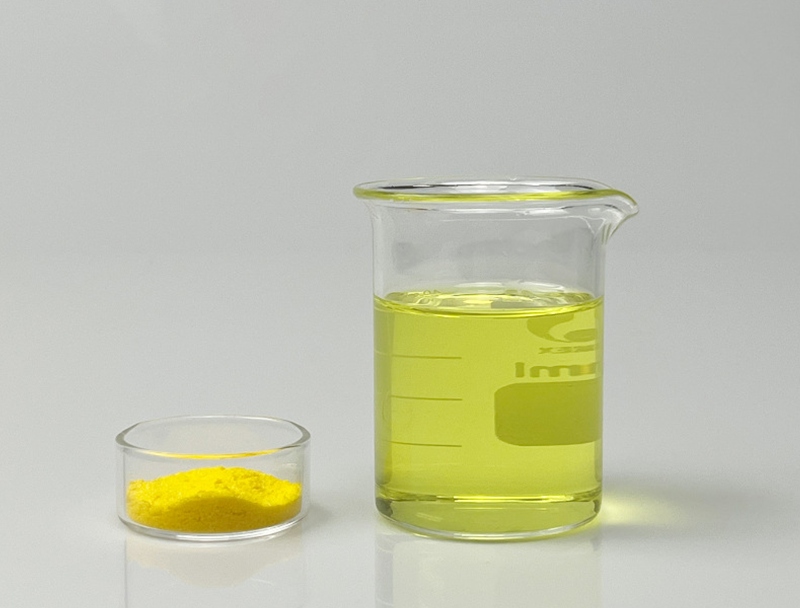
 5-ALA
5-ALA